

Transcription
Dubbing
25 Mar 2024
0 minute read
Amberscript is loved by over a million customers
4.4 on Trustpilot

4.6 on Google


What we do
Explore our movie dubbing service
Amberscript offers services to produce high-quality dubbed films for you. Using our AI-powered translation software, in combination with professional voice actors, we create flawless movie dubbings for a fraction of the cost.
Why choose Amberscript
High-quality movie dubbing with authentic dubbed voices

Human-like dubbed voices
Our synthetic voices sound genuinely human. We offer superior voiceovers at a fraction of the cost of traditional voice actors.

Skilled voice actors
We have a large database of high-quality voice actors in multiple languages. Choose your preferred voice and target language – we’ll handle the rest.

Accurate language translation
We offer accurate translations of the original audio using automatic speech recognition software and professional native speakers.
Create authentic video dubbings in 3 steps

Enter your volume and contact information, and our team will advise you on all aspects of the dubbing process and foreign language voiceovers.
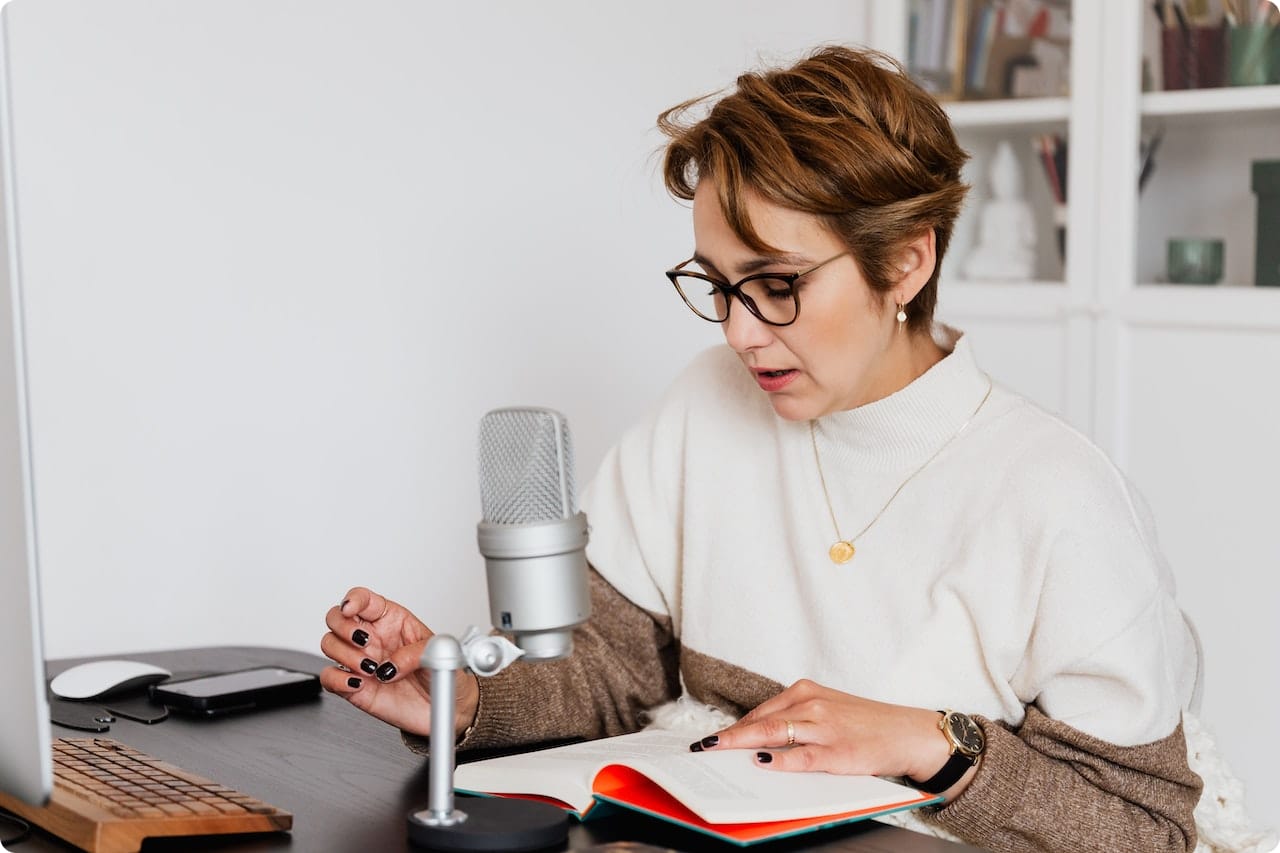
We create dubbed audio in your preferred language with human-like synthetic voices or professional voice actors.

Export your audio dubbing with high sound quality in diverse languages. We perform diligent quality checks by professional translators on all projects.
- 1 Request a custom quote
-
2 Choose your service
Synthetic voicesHuman voice actor
- 3 Receive high-quality dubbed voices

Why should you dub your movies?
Accessibility
Dubbing allows people who speak different languages to understand and watch films without having to read subtitles, making it more accessible to a wider audience.
Immersion
Dubbing can enhance the viewing experience by providing a more immersive atmosphere, as viewers can focus entirely on the visuals without the distraction of reading subtitles.
Cultural context
Dubbing can help maintain cultural nuances and context in foreign movies that might be lost in translation, ensuring that the original intent of the dialogue is preserved.
Why should you dub your movies?
Market expansion
Dubbing films into multiple languages can increase their marketability and appeal to audiences in different regions, potentially boosting filmmakers’ revenue.
Ease of consumption
Some viewers may find it easier to follow the storyline and dialogue when it’s presented in their native language through dubbing, especially for complex or fast-paced scenes.
Types of movie dubbing
Lip-synced dubbing
Lip-sync dubbing synchronizes dubbed dialogue with on-screen lip movements, ensuring a natural viewing experience. It’s frequently employed in live-action films and TV shows to maintain performance authenticity by accurately matching actors’ lip movements.
Voice-over dubbing
Voice-over dubbing overlays translated dialogue onto the original audio, prioritizing conveying information over precise lip-sync accuracy. It’s commonly employed in documentaries, interviews, or news programs, offering flexibility in adapting dialogue to screen time and adjusting to the pacing of the original footage.
Narration dubbing
Narration dubbing, featuring a single voice actor, provides translated voiceovers to narrate on-screen events, commonly used in nature, historical, or educational documentaries. It ensures a coherent and informative narrative, enhancing viewer engagement and clarity
Get started today
Tell us about your dubbing needs
Oops! We could not locate your form.

You’re in safe hands
GDPR + ISO27001 & ISO9001 certified
Movie dubbing FAQs
-
What does dubbing mean in film production?
In film production, dubbing refers to the process of replacing the original language of the dialogue or voices with a translation or alternative language. This can involve matching the lip movements of the actors on screen for a seamless viewing experience. Dubbing is commonly used to make films accessible to international audiences who speak different languages or to enhance the audio quality of a production.
-
How is dubbing done in movies?
Dubbing takes place in sewerage stages: pre-production, production, and post-production. Pre-production involves language translation and replacing the original dialogue with a new dialogue. Voice actors are selected in this phase.
Production involves recording the new script, along with lip-syncing and character portrayal. Finally, the post-production process involves sound synchronization and adding sound effects. For more information, check out our dedicated explanation article.
-
Does dubbing remove background noise?
Dubbing typically involves recording dialogue in a controlled studio environment, which helps minimize background noise. However, the process doesn’t directly remove the noise from the original recording. Background noise may be addressed separately through sound editing and mixing techniques before or during the dubbing process to ensure clarity and quality in the final audio.
-
How much does it cost to dub a movie?
The cost of dubbing a movie can vary widely depending on factors such as the film’s length, the number of languages dubbed, the quality standards required, the availability and fees of voice actors, studio rental costs, and post-production expenses. Usually, it’s not an inexpensive process. However, Amberscript integrates advanced technology in the process to keep the costs as low as possible for you. Learn more about movie dubbing at Amberscript today.