The Reporter’s Guide to Effective Transcription: Capturing Clear and Accurate Accounts
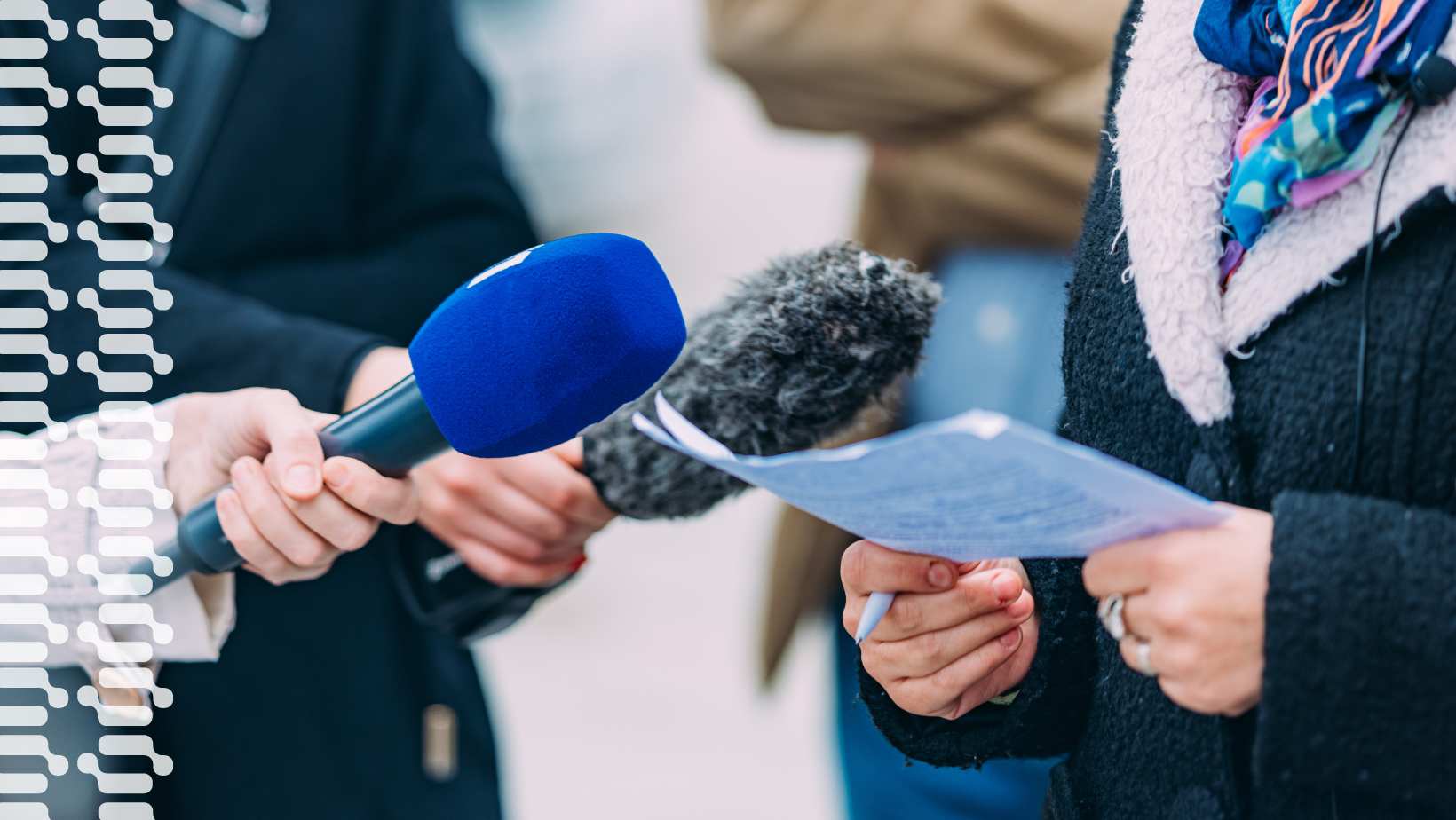
In the world of journalism, capturing clear and accurate accounts is paramount. A misquote or an inaccurate detail can not only undermine your credibility but also the integrity of the entire publication. This is where the practice of transcription comes into play. Effective transcription allows journalists to convert spoken words into written text with precision, ensuring that every detail is captured exactly as intended.
However, the process of transcription is often fraught with challenges. Background noise, multiple speakers, and varying accents can all contribute to inaccuracies. Additionally, time constraints can make it difficult for reporters to transcribe interviews promptly. In this guide, we’ll explore how transcription can address these challenges and provide journalists with the tools and strategies needed to produce accurate and reliable transcripts.
Table of Contents
The Basics of Transcription for Reporters
Understanding Different Types of Transcription
Before diving into the mechanics, it’s essential to understand that there are different types of transcription, each serving unique purposes:
- Verbatim Transcription: This type captures every single word as spoken, including fillers like “uh” and “um,” false starts, and even background noises. It’s ideal for legal proceedings and situations where it’s crucial to capture every spoken detail.
- Edited Transcription: This removes all fillers, false starts, and background noise, focusing solely on the spoken words that matter. It’s more readable than verbatim transcription and is commonly used in creating articles and reports.
- Intelligent Verbatim Transcription: This takes edited transcription a step further by refining the text for better readability. It may involve slight grammatical corrections and restructuring sentences without altering the original meaning.
What does Verbatim mean?
Learn moreTips for Efficient Recording
The quality of your transcription is highly dependent on the quality of your recording. Here are some tips to ensure you capture high-quality audio:
- Use a High-Quality Recorder: Invest in a good digital recorder or a smartphone app that offers high-quality audio recording.
- Minimize Background Noise: Choose a quiet location for your interviews and use directional microphones to focus on the speaker’s voice.
- Test Your Equipment: Always test your recording equipment before the interview to ensure it’s functioning correctly.
- Clearly Identify Speakers: When interviewing multiple people, ask them to introduce themselves before they speak.
Tools of the Trade
One of the most important tools for effective transcription is a reliable and accurate transcription platform. Amberscript is a leading transcription and subtitling tool that utilizes AI technology to provide fast, accurate, and affordable transcripts.
Some key features of Amberscript include:
- Automated Transcription: With Amberscript, you can upload your audio or video files and receive a full transcript in minutes.
- Customizable Settings: You can adjust settings for different types of audio, accents, and languages to ensure the highest level of accuracy.
- Collaborative Editing: Amberscript allows multiple users to access and edit transcripts simultaneously, making it ideal for team projects.
- Subtitle Generation: With just a few clicks, you can create subtitles for your videos in multiple languages.
Why you should use Amberscript

5x average time saving by using AI for Automatic Transcription.

Enabling an accurate flow of audio-to-data, adjustable in our easy to use online text editor. Or 100% accuracy with Human-Made Transcription.

GDPR compliant security and safety.
Choosing the Right Tool
Selecting the right transcription tool depends on your specific needs and budget. Consider the following factors:
- Accuracy: Look for tools that offer high accuracy rates.
- Cost: Some tools offer free basic plans, while others require a subscription.
- Features: Identify the features that are most important to you, such as real-time transcription, speaker identification, and editing capabilities.
- Ease of Use: Choose a tool with an intuitive interface to minimize the learning curve.
The Human Element: Professional Transcription Services
Advantages of Professional Services
While automated transcription tools are convenient, they may not always meet the high standards required in journalism. This is where professional transcription services come in. Here are some advantages:
- Higher Accuracy: Human transcribers can understand context, nuances, and accents better than automated tools.
- Quality Control: Professional services often include multiple rounds of quality checks.
- Confidentiality: Reputable services ensure that your recordings are handled with strict confidentiality.
Selecting the Right Service Provider
When choosing a professional transcription service, consider the following tips:
- Reputation: Look for providers with positive reviews and testimonials from journalists.
- Turnaround Time: Ensure the provider can meet your deadlines.
- Specialization: Some services specialize in specific industries, so choose one familiar with journalistic needs.
- Cost: Compare pricing plans to find one that fits your budget.

Get a customized offer
Request a quote for for your transcription needs
Enhancing Accuracy
Strategies for Improving Accuracy
Accuracy is critical in transcription, especially in journalism. Here are some strategies to ensure your transcripts are as accurate as possible:
- Clear Recordings: As mentioned earlier, the quality of your recording significantly impacts the accuracy of your transcription.
- Proper Punctuation: Ensure that punctuation is used correctly to convey the intended meaning.
- Contextual Understanding: Understand the context of the conversation to accurately transcribe idioms, jargon, and technical terms.
- Review and Edit: Always review and edit your transcripts to catch any errors or inconsistencies.
The Importance of Context and Speaker Identification
Identifying speakers and understanding the context of their statements is crucial for accurate transcription. Misidentifying speakers or misinterpreting context can lead to significant errors. Here are some tips:
- Label Speakers Clearly: Use clear labels for each speaker, especially in interviews with multiple participants.
- Understand the Topic: Familiarize yourself with the topic to recognize jargon and context-specific terms.
- Ask for Clarification: If a speaker uses unclear language or technical terms, don’t hesitate to ask for clarification during the interview.
Integrating Transcription into Journalism Workflow
Best Practices for Incorporating Transcription
Integrating transcription into your journalism workflow can save time and resources. Here are some best practices:
- Automate Where Possible: Use automated transcription tools for initial drafts and then refine them manually.
- Create Templates: Develop templates for different types of interviews to streamline the transcription process.
- Train Your Team: Ensure that your team is trained in using transcription tools and understands best practices for recording and editing.
- Set Deadlines: Establish clear deadlines for transcription to ensure timely publication.
Time-Saving Tips
Efficient transcription can save valuable time. Here are some tips to help you stay productive:
- Use Keyboard Shortcuts: Familiarize yourself with keyboard shortcuts in your transcription software to speed up the editing process.
- Break it Down: Divide long recordings into smaller segments to make transcription more manageable.
- Delegate: If possible, delegate transcription tasks to junior team members or interns.
How To Transcribe Interviews Fast: 7 Tips for Journalists
Learn moreThe Future of Transcription in Journalism
Trends in Transcription Technology
Transcription technology is rapidly evolving, and new trends are emerging that can significantly impact journalism. Here are some trends to watch:
- AI and Machine Learning: Advances in AI and machine learning are improving the accuracy and efficiency of automated transcription tools.
- Real-Time Transcription: Real-time transcription is becoming more accessible, allowing journalists to transcribe interviews on the go.
- Voice Recognition: Enhanced voice recognition technology is making it easier to transcribe conversations with multiple speakers and varying accents.
Predictions for the Future
As transcription technology continues to evolve, here are some predictions for its future in journalism:
- Increased Automation: Automated transcription tools will become even more accurate and efficient, reducing the need for manual transcription.
- Integration with Other Tools: Transcription tools will become more integrated with other journalism tools, such as content management systems and video editing software.
- Greater Accessibility: As transcription technology becomes more affordable and accessible, it will become a standard part of the journalism workflow.
The Importance of Transcription in Journalism
Accurate transcription is an essential tool for journalists, enabling them to capture clear and reliable accounts of their interviews and events. By understanding the different types of transcription, using the right tools and services, and implementing best practices, reporters can ensure their transcripts are accurate and trustworthy.
As technology continues to advance, the future of transcription in journalism looks promising, with increased automation and integration offering new opportunities for efficiency and accuracy. Embracing transcription as a regular part of your reporting toolkit can enhance your work’s quality and credibility, ultimately benefiting both you and your audience.